If you have played Dota 2 for a long time, you probably know the feeling. You tell yourself that the next match will be your last, but somehow you end up queueing again. A win makes you want to keep going, while a loss makes you want to recover what you just lost. Before you know it, one match turns into several, and the same routine can continue for weeks or even months.
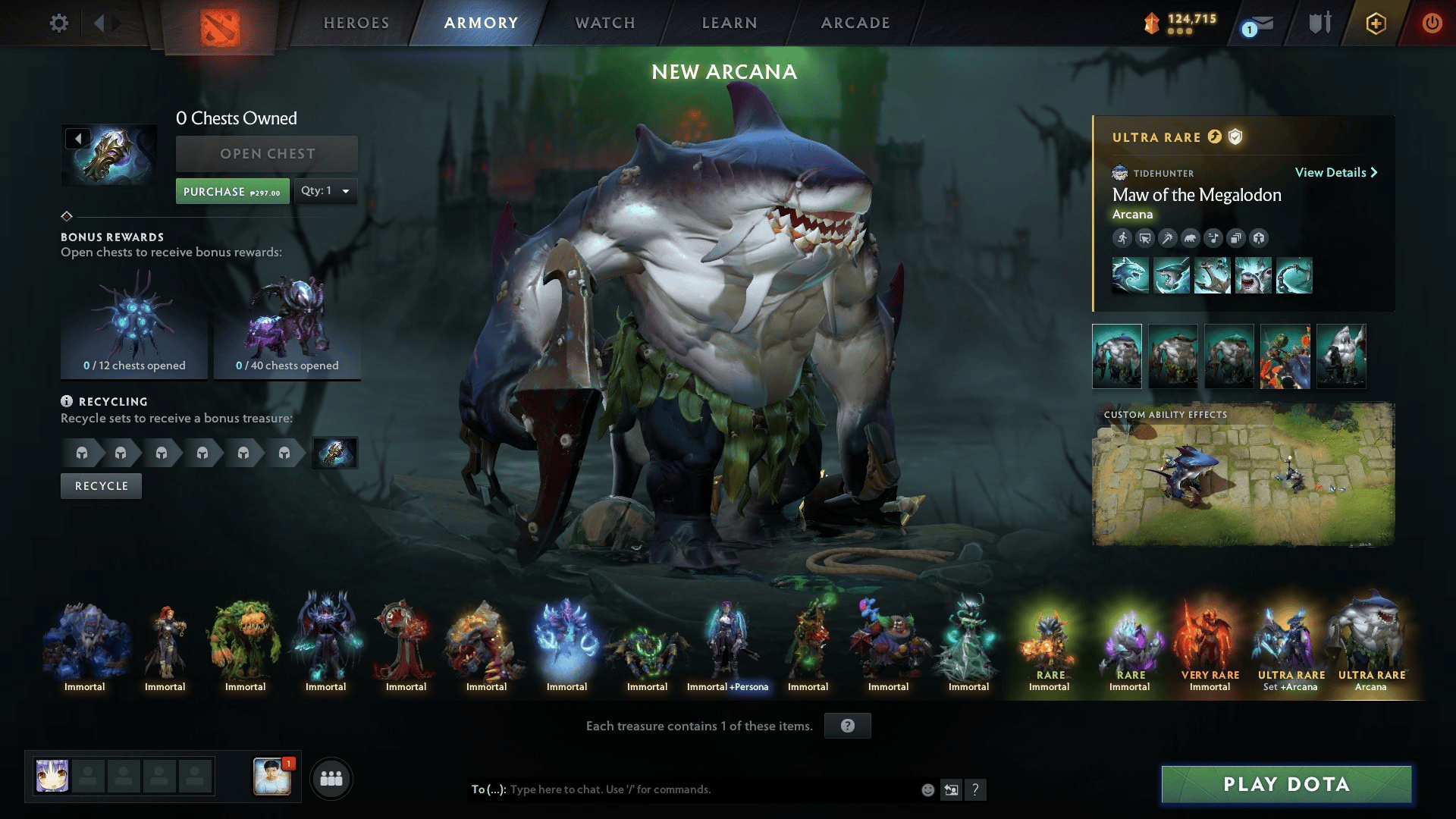
What makes Dota 2 especially good at keeping players engaged is how unpredictable every match can be. No two games play out exactly the same way. One match can be a complete stomp, while the next can turn into a long comeback that feels incredibly rewarding. That uncertainty makes it easy to think that the next game might be better, more exciting, or finally give you the result you were looking for.
There is also the feeling that you can always improve. Even after hundreds or thousands of hours, there is still something to work on, whether it is your farming, positioning, item choices, hero knowledge, map awareness, or decision-making. Because there is always another skill to improve, the game can make you feel like there is always a reason to play one more match.
Over time, however, playing Dota can also become part of your routine. You finish work, open Steam, see your friends online, launch the game, and queue without thinking much about it. At that point, it is not always about consciously deciding that you want to play Dota. Sometimes it simply becomes the thing you normally do during your free time.
That is also why taking a break can feel surprisingly different.
Once you stop playing for a while, many of those small reasons to queue start disappearing. You are no longer thinking about recovering your MMR from the previous match. You are not trying to end the day with a win, and you are no longer immediately carrying the frustration or excitement of your last game into the next one.
After a few weeks, other games, hobbies, or routines can start filling that same free time. The habit slowly weakens, and eventually opening Dota becomes something you have to consciously choose to do again instead of something that happens automatically.
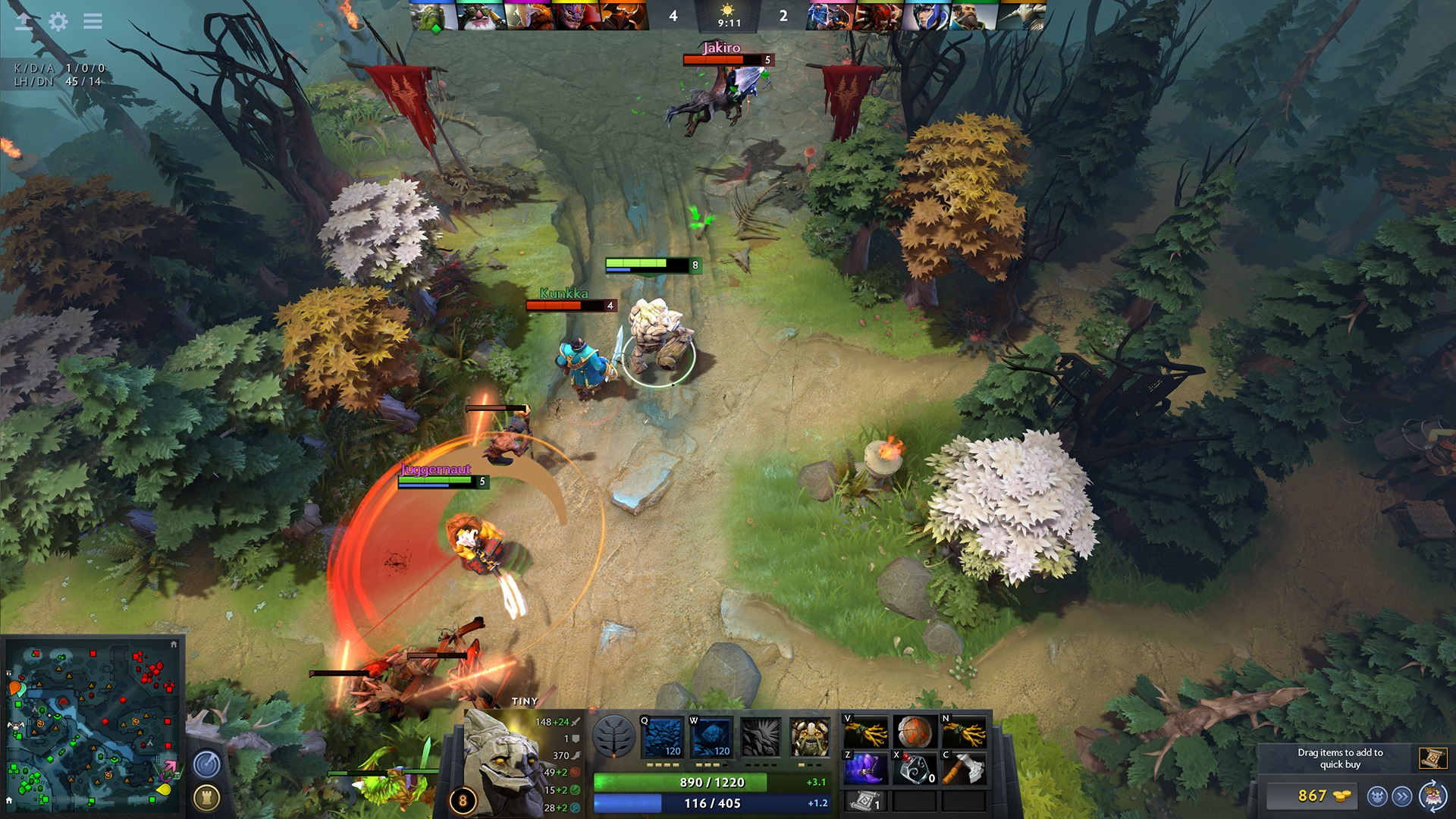
After being away from Dota 2 for long enough, the strange part is that you may not even feel like coming back. It is not necessarily because the game changed or became harder to understand. You simply no longer care as much about your rank, your recent losses, winning another match, or what is happening in the game. The things that once felt important while you were actively playing start to feel distant. Without constantly being inside that cycle, the urge fades, and eventually Dota can become just another game sitting in your library instead of something you feel you need to open.
That does not necessarily mean everyone who plays Dota regularly is addicted. For many players, it is simply a powerful combination of competition, unpredictable matches, personal improvement, social interaction, and routine.
While you are actively playing, every match can give you another reason to queue again.
But once you stay away long enough, those reasons can slowly disappear.
And that may be why Dota 2 can feel impossible to stop today, yet strangely easy to forget after just one long or even a single break.